RAMBLINGS OF A MADMAN — THE FOURTH ESTATE IS UNDER ATTACK
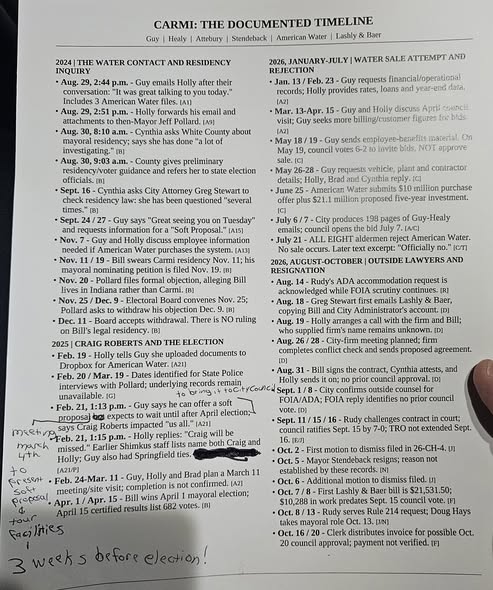
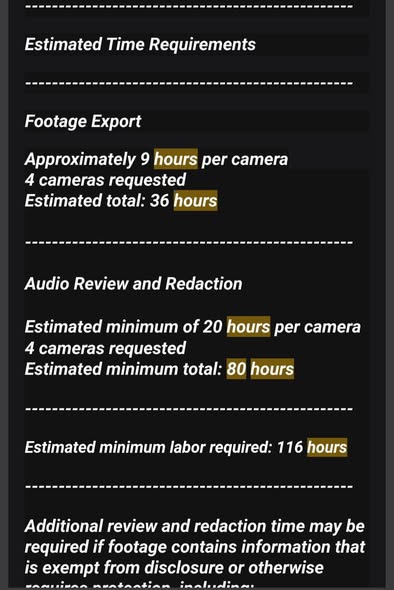
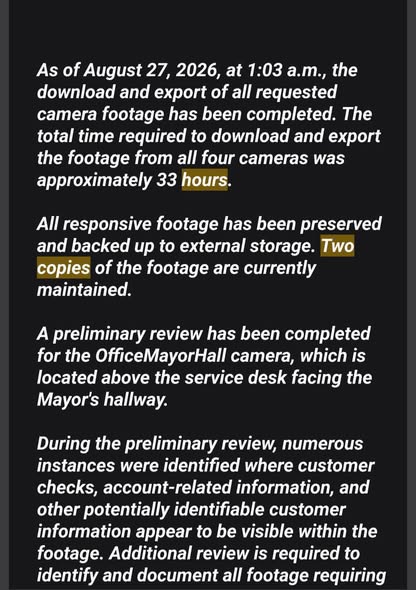
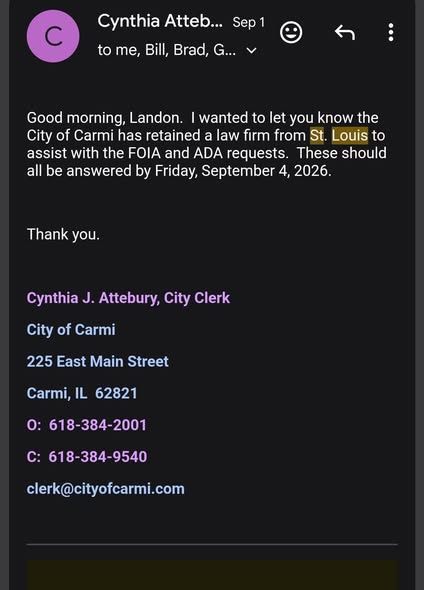
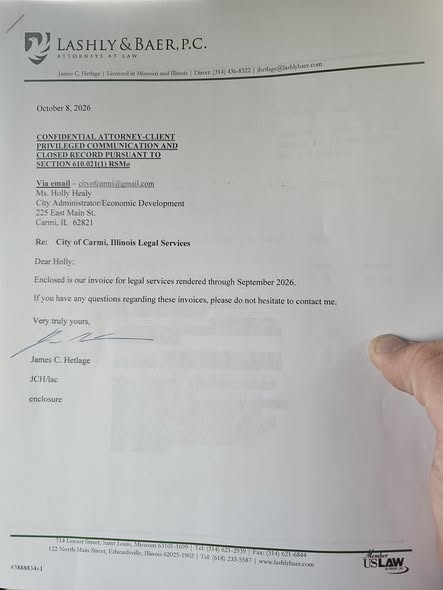
I call this Ramblings of a Madman. That’s the name I picked. If you want to know what I actually do, look at the work. I pull public records, ask Carmi officials where the money went, and publish what I find so you can see it for yourself. I’ve done that on Facebook. I’ll do it here, too. That’s local journalism, and City Hall doesn’t get to decide who’s doing it.
The First Amendment came before the press pass
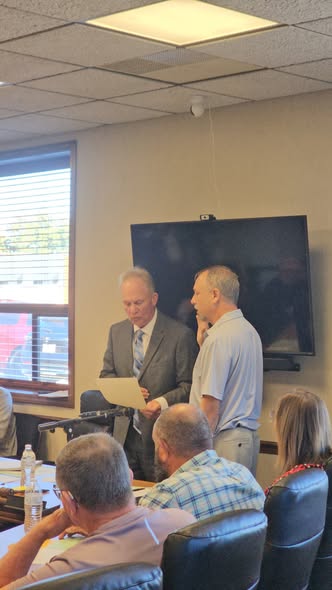
We talk about freedom of speech as if that’s the whole amendment. There are five freedoms in it: religion, speech, the press, peaceful assembly, and the right to petition the government for redress of grievances. Think about how they work together here in Carmi. You can go to a council meeting, ask what the city paid its lawyers, publish what you find, and demand an answer when the numbers don’t add up. That’s how people keep an eye on their government between elections.
In 1938, the Supreme Court struck down an ordinance that required people to get permission from a city manager before distributing literature. In Lovell v. City of Griffin, the Court explained that freedom of the press covers pamphlets and leaflets as well as newspapers. A press pass might get you into a particular room. The freedom to publish comes from the Constitution. I don’t need a network logo on my microphone or a credential from the people I’m covering.
In the stalking no-contact proceedings against me, the language at issue says I can’t use social media to “degrade or talk about the city employee.” Read those last two words again. Talk about.
An order to stay away from someone tells me where I can go or whom I can contact. A restriction on publishing about someone tells me what I can say to you. Read broadly, that language could reach a post about a city employee’s official conduct, even if the post is based entirely on public records.
That’s where the constitutional question comes in. In Near v. Minnesota, the Supreme Court struck down a law used to stop a newspaper from publishing future issues. Stopping publication before it happens is called prior restraint. Illinois’s stalking law also expressly excludes otherwise lawful speech and assembly. Courts can address conduct that meets the legal standard for stalking. When language reaches future reporting on public business, the public should ask exactly what it covers and why.
I dispute the allegations against me, and I’ll contest them in court while complying with the orders. When I said I was “coming for” officials, I meant pursuing accountability through lawful channels. I’ve said that publicly. You can hear my explanation in my own words.
I was reporting on Carmi before I had this website. Now I have a place of my own to put the records in front of you. Read them. Check my work. Ask your own questions. The city’s business is your business.